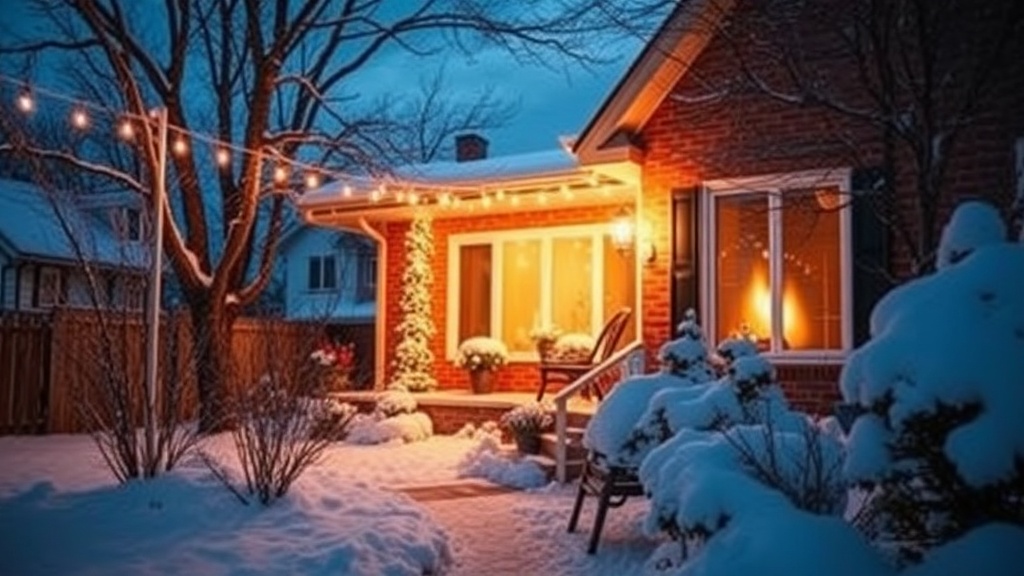
Setting Up Your Kingston Home for Winter Weather

Why Kingston Residents Need to Prepare Early
Did you know that Kingston experiences significantly higher humidity levels near the water compared to inland Ontario towns, often leading to ice buildup on structures earlier than expected? Preparing your residence for a Kingston winter isn't just about the cold; it's about managing the specific way moisture and wind interact with our local architecture. Whether you live in a historic limestone house near the University District or a modern build in West End, the transition from autumn to winter requires specific actions to protect your property and keep our community safe.
We see many neighbors struggling with high heating bills or unexpected leaks because they overlooked the small details. This guide covers the practical steps we take as locals to ensure our homes remain warm and our infrastructure stays intact during the harsh Eastern Ontario freezes. Getting ahead of the frost ensures you aren't scrambling when the first heavy snowfall hits Kingston streets.
How can I protect my pipes from freezing?
The temperature drop in Kingston can be quite sudden. One day it's a mild autumn evening, and the next, we're looking at a deep freeze. Protecting your plumbing is the first priority for any homeowner in our area. Start by identifying any exterior faucets that aren't currently protected. You'll want to shut off the water to these outlets from the inside and drain the lines completely. If you don't, the expanding ice can split your pipes—a costly mistake that many of us have seen happen during a Kingston cold snap.
For interior pipes, especially those in unheated areas like a garage or a basement near the Kingston waterfront, consider adding insulation. You can find specialized foam sleeves at local hardware stores like Home Hardware on Princess Street. This isn't just about saving money; it's about preventing a flood that could damage your home's foundation. If you have a water heater, make sure it's in a climate-controlled environment to avoid any issues with the heating element during a freeze.
- Disconnect all garden hoses from exterior taps.
- Wrap any exposed pipes in basement or crawl spaces with insulating tape.
- Keep your thermostat set to at least 15 degrees Celsius even when you aren't home.
- Check for any drafty windows that might allow freezing air to hit your plumbing lines.
Where should I focus my insulation efforts?
Many of us live in older homes throughout the downtown Kingston area, and these structures often have unique ways of letting heat escape. Inspecting your attic and the edges of your windows is a vital part of winterizing. If you notice cold air pooling near the floor, your insulation might be settling or insufficient. A well-insulated home keeps the heat inside where it belongs, reducing the strain on your furnace and making your living space much more comfortable.
Check the seals around your doors and windows. A simple way to test for drafts is to run a lit candle or a stick of incense around the frame; if the flame flickers, you have a leak. You can use weatherstripping to seal these gaps. This is especially important for homes in the Polson Park area, where wind off the lake can really push cold air into the house. Fixing these small gaps helps maintain a stable temperature and keeps our community's energy consumption lower.
Don't forget the attic space. If your insulation is thin, heat rises and escapes right through the roof. Adding more insulation is one of the most effective ways to keep a Kingston home warm throughout the winter months. It's a small investment that pays off significantly in the long run.
How do I manage snow and ice on my property?
Once the snow actually arrives, the work shifts to safety. Managing snow on your driveway and walkways is a community responsibility. We all want to keep our sidewalks clear to ensure neighbors and pedestrians can move safely through Kingston without slipping. Having a reliable shovel and a high-quality ice melt on hand is a must. However, be careful with what you use; some heavy salts can damage the concrete on your driveway or harm local landscaping.
I recommend keeping an eye on the local weather-related updates from the Environment Canada website to stay ahead of any major snowstorms. If you live on a street with significant slopes, like those in the North End, be extra diligent about clearing ice before it becomes a hazard. It's not just about your property; it's about the safety of everyone in our neighborhood.
Keep a dedicated space in your garage or shed for your snow removal tools. A well-organized kit—including a shovel, a broom for the porch, and several bags of sand or salt—will make the inevitable Kingston snowstorms much easier to handle. Proper storage of these tools prevents them from rusting or breaking before the next season arrives.
Finally, remember to check your gutters. If they are clogged with leaves or debris, ice can build up in the eaves, causing "ice dams." This can force water under your shingles and into your house. Make sure your downspouts are clear and directing water away from your foundation. Keeping the drainage systems functional is a key part of maintaining a safe home in our Kingston community.